Organs on chip
Modeling human physiology, across scales
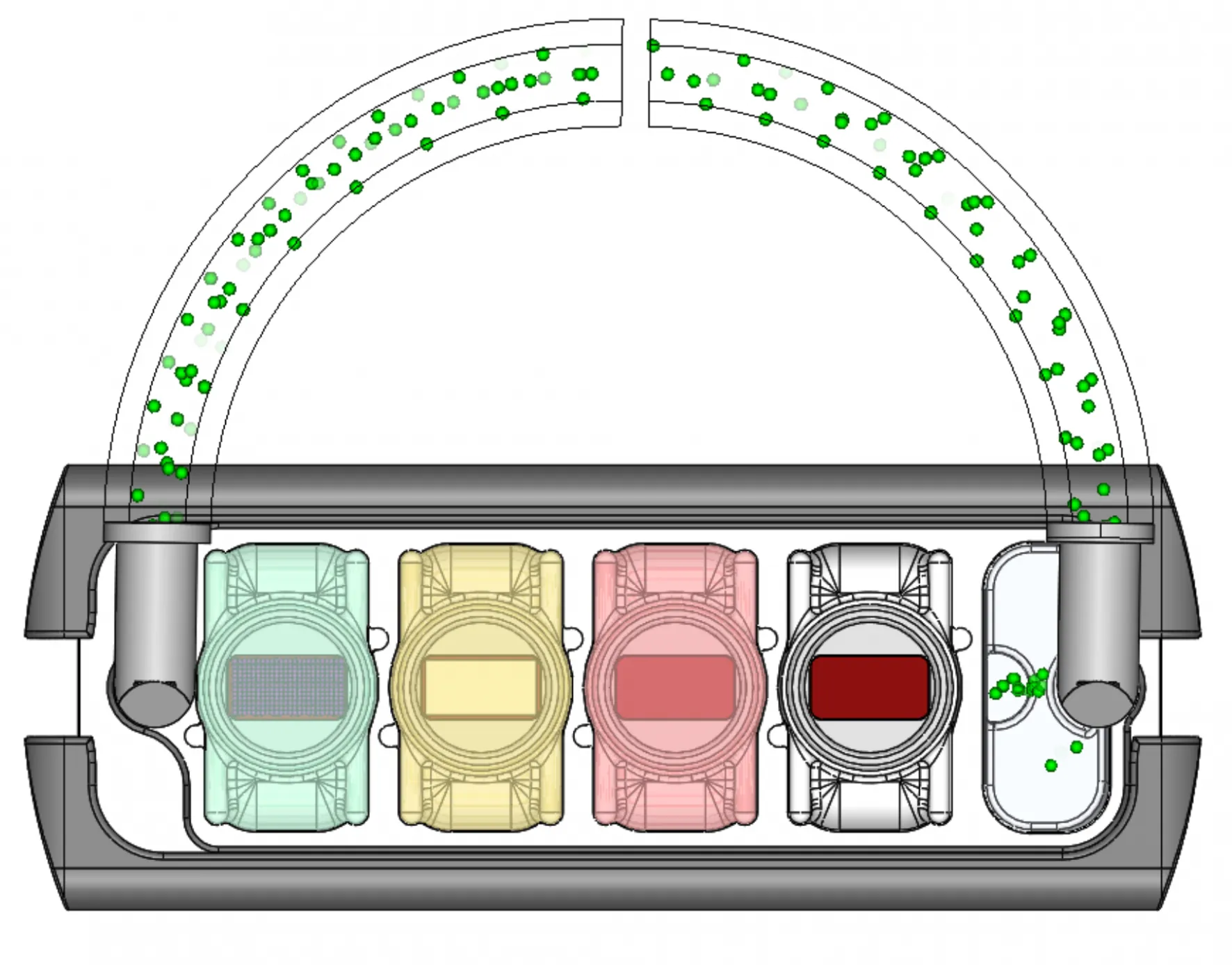
Our laboratory was a part of the first wave of developing microsized human tissue platforms for modeling human pathophysiology and responses to drugs. These platforms are known as microphysiologcal systems and also as organs-on-chip, for their ability to recapitulate organ-level functions (contractility of the heart, liver metabolism). We took a unique approach of engineering multiple tissue types, all from the same cells (for patient specificity), maturing them to assume adult-like functions and linking them by vascular circulation. By placing endothelial barriers between the tissue compartments and vascular flow, we enable long term maintenance of tissue phenotypes while allowing their communication. This way we form physiological units that we use to model a broad range of conditions - from inflammation and drug toxicity to cancer metastasis.
Bioengineering of the lung
Cross-circulation technology for lung repair
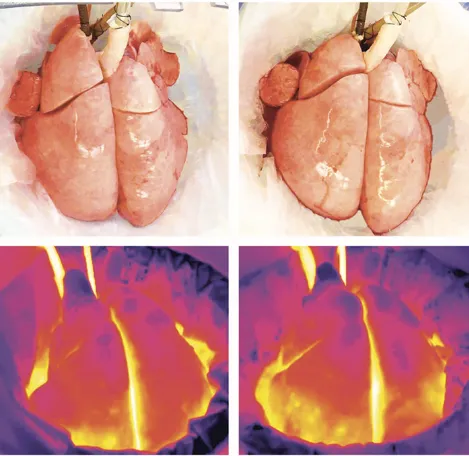
Some 10 years ago, a group of Columbia transplant surgeons came to us to explore if our tissue engineering technologies could help repair the rejected donor lungs, for the many patients awaiting life-saving transplant. with end stage lung disease. We developed the cross-circulation technology where a ventilated lung is linked to the recipient by blood circulation that maintains homeostasis long enough for lung assessment and rehabilitation from a range of injuries. Clinical translation is now progressing through one of our startup companies, while we are extending the benefits of cross-circulation technology on diagnostics and treatment (“theranostics”) of lung diseases. We are now modeling cystic fibrosis using lungs on cross-circulation, to provide efficient delivery on nanotherapeutics correcting the gene mutation.
Bioengineering of the heart
Human cardiac muscle recapitulates development, injury, disease and regeneration
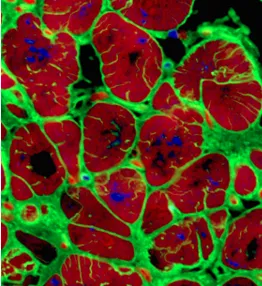
Much of our work is inspired by clinical needs. Because cardiovascular disease claims more lives than all cancer and accidents combined, we have maintained keen interest, for over 25 years, in making impact in this area. A major breakthrough was our discovery that human cardiac muscle can be bioengineered from blood-derived adult stem cells and matured to express adult like feature. We have investigated the use of these robust cardiac muscles and their secretion products (exosomes) to prevent heart damage due to myocardial infarction. We are modeling the cardiac injury due to ischemia-reperfusion and a range of cardiomyopathies induced by gene mutations, hypoxia, and immune-related factors, using patient-specific cardiac muscle grown in vitro. Our goal is to foster scientific discovery and its translation into benefits for patients.